Best Smart Thermostats with No Subscription (2026)
Best Smart Thermostat No Subscription
Quick Answer
The ecobee Smart Thermostat Premium is my top pick for a smart thermostat without subscription fees. You get voice control, a room sensor in the box, and ENERGY STAR-certified energy savings - all without monthly charges eating into your wallet. It also happens to lead our overall best smart thermostats of 2026 rankings, so you’re not trading quality for the fee-free badge.
CleanScore™ Ratings
Our proprietary score based on cleaning performance, navigation & mapping, mopping capability, battery & auto-empty, and value-per-dollar.
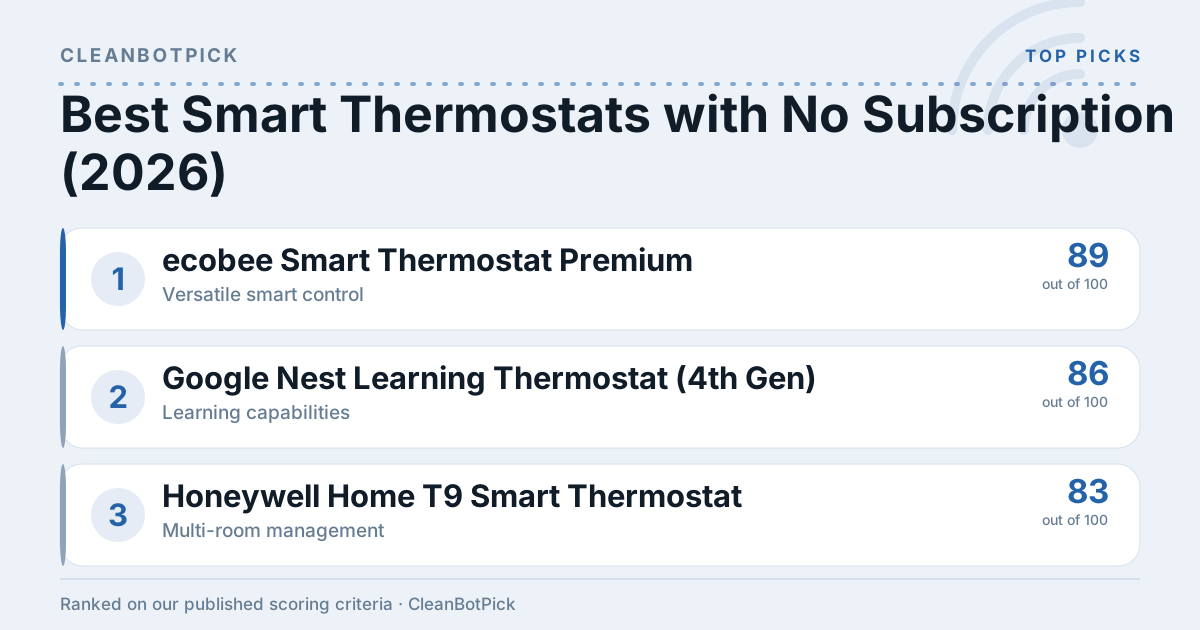
Google Nest Learning Thermostat (4th Gen) — 86/100 (Excellent)
█████████████████░░░
Best for: Learning capabilities
Emerson Sensi Touch Wi-Fi Smart Thermostat — 79/100 (Great)
████████████████░░░░
Best for: Budget-friendly option
Lux Kono Smart Thermostat — 79/100 (Great)
████████████████░░░░
Best for: Design-conscious users
Honeywell Home T9 Smart Thermostat — 83/100 (Great)
█████████████████░░░
Best for: Multi-room management
ecobee Smart Thermostat Premium — 89/100 (Excellent)
██████████████████░░
Best for: Versatile smart control
Scores are calculated from publicly available specs including cleaning performance, navigation, mopping, battery life, and value. Learn about our methodology.
Our Top Picks
| Product | Best For | Key Spec | Price Tier |
|---|---|---|---|
| ecobee Smart Thermostat Premium | Versatile smart control | Wi-Fi, built-in Alexa, HomeKit | Mid-range |
| Google Nest Learning Thermostat (4th Gen) | Learning capabilities | Auto-schedule, Energy History | Premium |
| Honeywell Home T9 Smart Thermostat | Multi-room management | Smart room sensors | Mid-range |
| Emerson Sensi Touch Wi-Fi Smart Thermostat | Budget-friendly option | Touchscreen, Energy reports | Budget |
| Lux Kono Smart Thermostat | Design-conscious users | Customizable faceplates | Budget |
Detailed Reviews
1. ecobee Smart Thermostat Premium
This one impresses on nearly every front. The built-in Alexa speaker actually works well (not just a gimmicky add-on), and the SmartSensor in the box makes a real difference in homes with hot and cold spots, which is why you might also want to explore our guide on smart home devices.
- Key Specs: Wi-Fi, built-in Alexa and Siri, Apple HomeKit, 7-day scheduling
- Pros: Excellent energy savings, SmartSensor included, air quality monitor built in
- Cons: Higher price point
- Best For: Anyone who wants the full smart home experience without cutting corners.
2. Google Nest Learning Thermostat (4th Gen)
The Nest’s learning feature is genuinely useful - it builds a schedule out of about a week of your comings and goings, no programming required, which is similar to the capabilities discussed in our comparison of Nest and Ecobee thermostats. The 4th gen’s bigger edge-to-edge display doesn’t hurt either.
- Key Specs: Auto-schedule, Energy History, Wi-Fi, one temperature sensor in the box
- Pros: Learns your schedule, easy to use, beautiful display
- Cons: Costs more than the model it replaced, limited compatibility with some heating systems
- Best For: People who hate programming schedules and want the thermostat to just figure it out.
3. Honeywell Home T9 Smart Thermostat
The T9 shines in bigger homes where temperature varies wildly between rooms. Just heads up - those extra room sensors are sold separately, and they add up quickly.
- Key Specs: Smart room sensors, geofencing, Wi-Fi
- Pros: Good multi-room control, easy to use with app
- Cons: Sensors sold separately, may require additional setup
- Best For: Larger homes with temperature zones that feel like different climates.
4. Emerson Sensi Touch Wi-Fi Smart Thermostat
Honestly, this budget pick surprised me. You’re not getting all the bells and whistles of pricier models, but for basic smart features and energy tracking, it’s hard to beat at this price.
- Key Specs: Touchscreen display, smartphone app, 7-day scheduling
- Pros: Affordable, user-friendly app, easy installation
- Cons: Limited integration with smart home systems
- Best For: Budget-conscious folks who want smart features without the premium price tag.
5. Lux Kono Smart Thermostat
The customizable faceplates are clever, but I’d only recommend this if aesthetics matter more than advanced features. It does the basics well but falls short on smart capabilities.
- Key Specs: Customizable faceplates, smartphone app, 7-day scheduling
- Pros: Attractive design, easy to operate
- Cons: Fewer smart features compared to competitors
- Best For: Design lovers who prioritize looks over cutting-edge tech.
How We Evaluated
We compared these thermostats across several key areas:
- Performance: How well they maintain temperature and save energy
- Noise: Any annoying sounds during operation
- Filter Cost: Long-term maintenance expenses
- Room Size: How well they handle different home layouts
- Value: Whether the features justify the price
Buying Guide
Here’s what actually matters before you buy:
- Compatibility: Check your HVAC system first - some older systems won’t play nice
- Smart Features: Learning capability and geofencing are game-changers, app quality varies wildly
- Energy Efficiency: Look for models that show real usage data, not just pretty graphs
- User Experience: Read installation reviews - some are genuinely easier than others
- Design: Only matters if it’s visible, but trust me, you’ll look at it daily
FAQ
1. Do I need a subscription for smart thermostats?
Nope - all these models work perfectly fine without monthly fees. Some brands try to push premium features behind paywalls, but the core functionality is always free.
2. How do smart thermostats save energy?
They learn when you’re home, automatically adjust temperatures, and let you make changes remotely. Savings of 10-15% are the usual claim.
3. Can I install a smart thermostat myself?
Most people can handle it with basic DIY skills, but if you’re dealing with complex wiring or old systems, call a pro, and consider checking out our smart home setup guide for beginners for more tips. It’s worth paying a pro to avoid headaches.
4. Are smart thermostats worth the investment?
Yes, but don’t expect miracles. The convenience factor is huge, and energy savings usually pay for the device within 1-2 years, which is why you might also be interested in our robot vacuum buying guide to explore other energy-saving smart devices.
5. What if my HVAC system is old?
Check compatibility charts first - most work with older systems, but heat pumps and unusual setups can be tricky.
Bottom line: the ecobee Smart Thermostat Premium gives you the most bang for your buck without ongoing fees. Each option here serves different needs, so pick based on your priorities and budget.