Best Smart Home Devices 2026
Best Smart Home Devices 2026
Quick Answer
The Amazon Echo Dot (5th Gen), Google Nest Hub (2nd Gen), Philips Hue White and Color Ambiance A19 3-Pack, and ecobee Smart Thermostat Premium top my list for 2026. They nail the trifecta of functionality, ease of use, and playing well with other devices.
CleanScore™ Ratings
Our proprietary score based on cleaning performance, navigation & mapping, mopping capability, battery & auto-empty, and value-per-dollar.
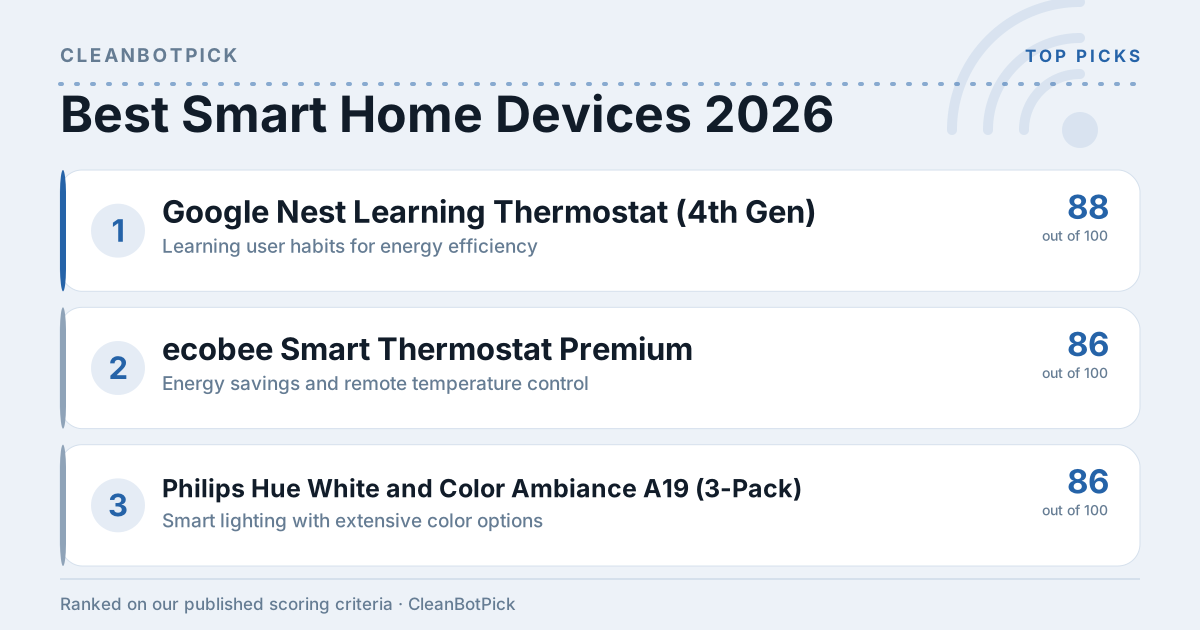
ecobee Smart Thermostat Premium — 86/100 (Excellent)
█████████████████░░░
Best for: Energy savings and remote temperature control
Google Nest Learning Thermostat (4th Gen) — 88/100 (Excellent)
██████████████████░░
Best for: Learning user habits for energy efficiency
Amazon Echo Dot (5th Gen) — 80/100 (Great)
████████████████░░░░
Best for: Controlling smart devices and playing music
Google Nest Audio — 65/100 (Good)
█████████████░░░░░░░
Best for: Seamless integration in Google ecosystem
Amazon Echo Show 8 (3rd Gen) — 84/100 (Great)
█████████████████░░░
Best for: Video calls and security camera feeds
Google Nest Hub (2nd Gen) — 80/100 (Great)
████████████████░░░░
Best for: Kitchen companion for recipes and timers
LIFX Color A19 Smart LED Bulb — 56/100 (Good)
███████████░░░░░░░░░
Best for: Affordable smart lighting without a hub
Ring Battery Doorbell Pro — 85/100 (Excellent)
█████████████████░░░
Best for: Home security monitoring
Philips Hue White and Color Ambiance A19 (3-Pack) — 86/100 (Excellent)
█████████████████░░░
Best for: Smart lighting with extensive color options
Scores are calculated from publicly available specs including cleaning performance, navigation, mopping, battery life, and value. Learn about our methodology.
Smart Speakers: The Heart of Your Smart Home
Smart speakers control your other devices, play music, and respond to voice commands. If you’re interested in comparing options, check out Alexa Vs Google Home 2026. Think of them as your home’s command center.
Amazon Echo Dot (5th Gen)
- Specifications: 1.73-inch front-firing speaker, temperature sensor, Alexa voice assistant
- Price Tier: Budget
- Room Size: Ideal for rooms up to 200 sq. ft.
- Key Spec: Not applicable (audio device)
Pros:
- Sound quality genuinely impresses for the price
- Works with practically everything smart in your home
- Amazon keeps adding features with regular updates
Cons:
- That always-listening thing might creep you out
- Gets a bit stubborn if you venture outside Amazon’s preferred ecosystem
Google Nest Audio
- Specifications: 75 mm woofer, 19 mm tweeter, Google Assistant
- Price Tier: Budget
- Room Size: Suited for small to medium-sized rooms (up to 400 sq. ft.)
Pros:
- If you live in Google’s world, this is seamless
- Audio sounds crisp and balanced
- Actually looks good on a shelf
Cons:
- Third-party device support lags behind Echo
- Struggles to hear you during loud dinner parties
Comparison of Smart Speakers
| Device | Price Tier | Voice Assistant | Ideal Room Size | Compatibility |
|---|---|---|---|---|
| Amazon Echo Dot (5th Gen) | Budget | Alexa | Up to 200 sq. ft. | Extensive |
| Google Nest Audio | Budget | Google Assistant | Up to 400 sq. ft. | Moderate |
Smart Displays: More Than Just Voice
Smart displays add a screen to voice control, making them perfect for visual tasks like checking cameras or following recipes.
Google Nest Hub (2nd Gen)
- Specifications: 7-inch touchscreen, Google Assistant
- Price Tier: Budget
- Room Size: Best for rooms up to 250 sq. ft.
Pros:
- Perfect kitchen companion for recipes and timers
- The sleep tracking actually works (and doesn’t require wearing anything)
- Photo slideshow beats staring at blank walls
Cons:
- Video calls feel cramped on that 7-inch screen
- Audio is fine, but don’t expect party-filling sound
Amazon Echo Show 8 (3rd Gen)
- Specifications: 8-inch HD touchscreen, 13 MP auto-framing camera, Alexa
- Price Tier: Mid-range
- Room Size: Suitable for medium-sized rooms (up to 400 sq. ft.)
Pros:
- Video calls look great on the bigger screen
- Security camera feeds display clearly
- Plays nice with all your other Echo devices
Cons:
- Heavier than you’d expect
- App selection feels limited compared to an actual tablet
Comparison of Smart Displays
| Device | Price Tier | Display Size | Voice Assistant | Room Size |
|---|---|---|---|---|
| Google Nest Hub (2nd Gen) | Budget | 7-inch | Google Assistant | Up to 250 sq. ft. |
| Amazon Echo Show 8 (3rd Gen) | Mid-range | 8-inch | Alexa | Up to 400 sq. ft. |
Smart Lighting: Control Your Ambiance
Smart lights let you adjust brightness and color from your phone or voice. For more options, see our post on Best Smart Light Bulbs 2026. They’re also great for pretending you’re home while traveling.
Philips Hue White and Color Ambiance A19 (3-Pack)
- Specifications: Three A19 bulbs, 800 lumens each, Hue Bridge sold separately
- Price Tier: Mid-range
- Room Size: Each bulb can illuminate rooms up to 160 sq. ft.
Pros:
- Color range is genuinely impressive – 16 million options
- Works with everything: Google, Alexa, Apple HomeKit
- Setup takes about 10 minutes, even if you’re not tech-savvy
Cons:
- You’ll still want the Hue Bridge for scenes and away-from-home control
- Sticker shock is real – a starter kit only gets you three bulbs, and you’ll want more
LIFX Color A19 Smart LED Bulb
- Specifications: 1100 lumens, Wi-Fi connectivity
- Price Tier: Budget (per bulb)
- Room Size: Ideal for rooms up to 120 sq. ft.
Pros:
- No hub needed – just screw in and connect to Wi-Fi
- Brighter than Philips Hue at 1100 lumens
- Much easier on your wallet for single bulbs
Cons:
- Smart home compatibility isn’t as universal
- Wi-Fi connection can be flaky compared to hub-based systems
Comparison of Smart Lighting
| Product | Price Tier | Lumens | Color Options | Hub Required |
|---|---|---|---|---|
| Philips Hue White and Color Ambiance A19 (3-Pack) | Mid-range | 800 | 16 million colors | For full features |
| LIFX Color A19 Smart LED | Budget | 1100 | 16 million colors | No |
Smart Thermostats: Optimize Your Energy Use
Smart thermostats learn your schedule and can slash your energy bills. To explore the top choices, check out Best Smart Thermostat 2026. Most people see 10-15% savings on heating and cooling costs. If it comes down to the two big names, our Nest vs ecobee comparison settles that head-to-head.
ecobee Smart Thermostat Premium
- Specifications: Includes a SmartSensor, built-in Alexa and Siri, air quality monitor
- Price Tier: Premium
- Room Size: Controls up to 2,000 sq. ft. with additional sensors
Pros:
- Built-in Alexa means one less device to buy
- Remote sensors solve the “upstairs is freezing while downstairs is hot” problem
- Installation was surprisingly straightforward
Cons:
- Steep for a thermostat, though energy savings help justify it
- Needs constant Wi-Fi – no internet means manual control only
Google Nest Learning Thermostat (4th Gen)
- Specifications: 2.7-inch LCD display, Energy Star certified
- Price Tier: Premium
- Room Size: Covers homes up to 2,000 sq. ft.
Pros:
- Actually learns your habits and adjusts automatically
- Energy reports show real dollar savings
- That metal ring design still looks sharp after all these years
Cons:
- Some HVAC systems need professional installation
- Compatibility can be hit-or-miss with older heating systems
Comparison of Smart Thermostats
| Product | Price Tier | Compatibility | Coverage Area | Energy Reports |
|---|---|---|---|---|
| ecobee Smart Thermostat Premium | Premium | Alexa, Google, Apple | Up to 2,000 sq. ft. | Yes |
| Google Nest Learning Thermostat (4th Gen) | Premium | Google, Alexa | Up to 2,000 sq. ft. | Yes |
Smart Security: Peace of Mind
Smart security devices let you monitor your home from anywhere. For a comprehensive overview, read our article on Best Smart Home Security System 2026. Just remember – most good features require monthly subscriptions. The garage is worth securing too—our best smart garage door openers roundup covers the most overlooked entrance in the house.
Ring Battery Doorbell Pro
- Specifications: 1536p HD+ head-to-toe video, 3D motion detection, two-way audio
- Price Tier: Premium
- Room Size: Not applicable (outdoor device)
Pros:
- Video quality is sharp enough to actually identify faces
- Two-way audio lets you scare off porch pirates
- Works perfectly with Alexa devices
Cons:
- You’ll need Ring Home ($5-10/month) for recorded video
- Battery means pulling it down to recharge every few months
Arlo Pro 5S 2K Spotlight Camera
- Specifications: 2K HDR video, 160-degree field of view, color night vision
- Price Tier: Mid-range for a single camera, Premium for the 4-camera kit
- Room Size: Outdoor use, suitable for any home size
Pros:
- 2K video looks crisp, even zoomed in
- Completely wireless – just charge and mount
- Works with Google, Alexa, and Apple HomeKit
Cons:
- Cloud storage costs $3-15/month per camera
- Battery life disappointed me – expect monthly charging
Comparison of Smart Security
| Product | Price Tier | Video Quality | Features | Subscription Required |
|---|---|---|---|---|
| Ring Battery Doorbell Pro | Premium | 1536p HD+ | Two-way audio, 3D motion alerts | Yes |
| Arlo Pro 5S 2K Spotlight Camera | Mid-range | 2K HDR | Wireless, color night vision | Yes |
FAQ
What are the benefits of a smart home?
You’ll love the convenience of controlling everything from your phone, plus real energy savings from smart thermostats and lights. Security features give genuine peace of mind too.
Are smart home devices easy to install?
Most plug in and connect through apps in minutes. Smart thermostats and some security cameras might need professional help, especially in older homes.
Do smart home devices work without Wi-Fi?
Not really. Most need internet for remote control and updates. Some work locally through hubs, but you’ll lose smartphone control.
Can I control smart home devices with my smartphone?
Absolutely – that’s half the point. Every device here comes with its own app, plus voice control through smart speakers.
How do I choose the right smart home device?
Start with your biggest pain point. Tired of getting up to adjust lights? Start there. Already have Alexa? Stick with compatible devices. Always read real user reviews, not just the marketing fluff.
Bottom Line
Smart home success comes down to picking devices that solve real problems in your daily life. The Echo and Nest Hub excel at central control, while the Ecobee and Philips Hue deliver actual utility and savings. Just remember – compatibility matters more than individual features, so pick an ecosystem and stick with it.