Nest Vs Ecobee Thermostat
Quick Verdict
Look, both thermostats are solid picks—they top our best smart thermostats of 2026 rankings for good reason—but they serve different types of users. The Google Nest Learning Thermostat (4th Gen) is brilliant if you want something that just works – it learns your habits and handles everything automatically. The ecobee Smart Thermostat Premium is better for people who like tinkering with settings and want granular control over every room. Similar money, different philosophies.
CleanScore™ Ratings
Our proprietary score based on cleaning performance, navigation & mapping, mopping capability, battery & auto-empty, and value-per-dollar.
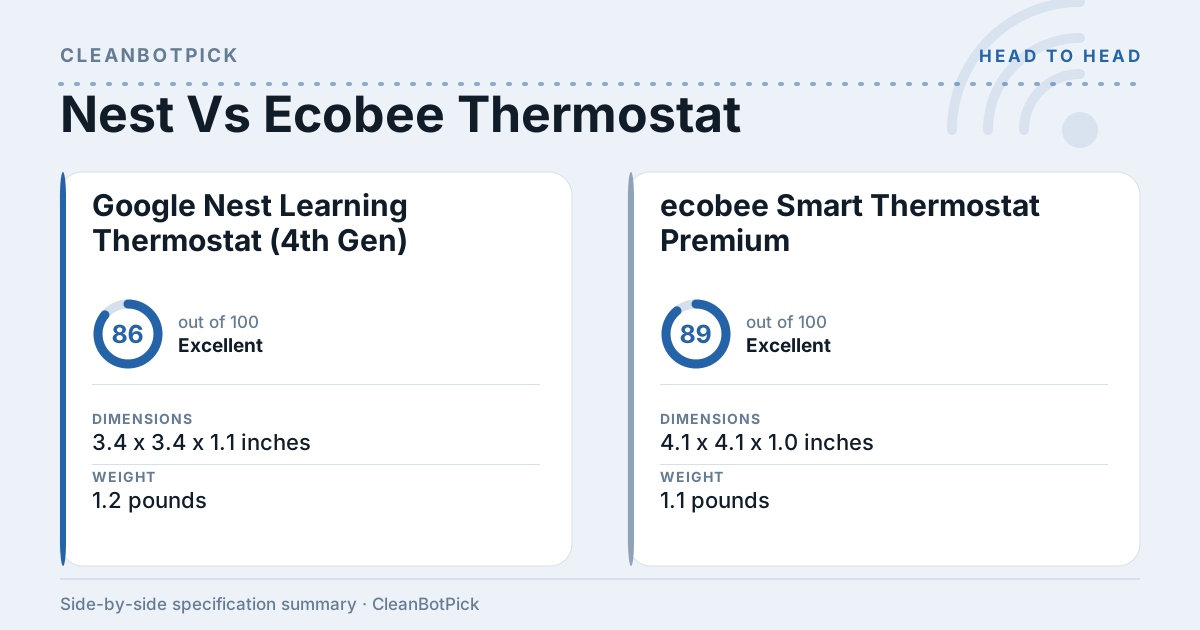
Google Nest Learning Thermostat (4th Gen) — 86/100 (Excellent)
█████████████████░░░
ecobee Smart Thermostat Premium — 89/100 (Excellent)
██████████████████░░
Scores are calculated from publicly available specs including cleaning performance, navigation, mopping, battery life, and value. Learn about our methodology.
At a Glance
| Feature | Google Nest Learning Thermostat (4th Gen) | ecobee Smart Thermostat Premium |
|---|---|---|
| Dimensions | 3.4 x 3.4 x 1.1 inches | 4.1 x 4.1 x 1.0 inches |
| Weight | 1.2 pounds | 1.1 pounds |
| Compatibility | 24V systems, Matter | 24V systems, Apple HomeKit, Google Assistant, Alexa |
| Wi-Fi | Yes | Yes |
| Energy Reports | Yes | Yes |
| Voice Control | Google Assistant | Built-in Alexa, plus Google Assistant |
| Room Sensors | One in the box | One in the box |
| Integrations | Works with Google Home | Works with a variety of smart home devices |
| Price Tier | Premium | Premium |
| Battery Backup | No | Yes |
| Learning Capability | Yes | No |
Design & Build Quality
The Nest looks like something Apple would design – sleek metal ring, glass face, and that satisfying twist-to-adjust feel. It practically disappears into your wall. The ecobee is chunkier with a bright color touchscreen that screams “I’m a smart device!” Both feel premium, but if you hate tech clutter, go with the Nest.
Performance
Here’s where things get interesting. The Nest learns your schedule over a few weeks and starts adjusting automatically. Pretty magical if you’re consistent with your routine – less so if your schedule changes constantly. Google publishes its own accounting of how those savings are calculated, which is worth reading before you treat any headline percentage as a promise.
The ecobee takes a different approach with room sensors that actually monitor temperature and occupancy throughout your house. This one surprised me – it’s genuinely useful in larger homes where your living room might be 72° while your bedroom is 68°. The Nest ships with one sensor too, but ecobee’s do occupancy as well as temperature, so you’re buying extras either way to match that precision.
Operating Noise
Both run quietly. The Nest is dead silent. The ecobee occasionally makes a soft hum when talking to its sensors, but you’d have to put your ear up to it to notice.
HVAC Filter Reminders & Ongoing Costs
Neither thermostat needs filter changes (that’s your HVAC system), but both remind you when it’s time. Neither locks core features behind a paywall either, which is exactly what our no-subscription smart thermostats guide screens for. The ecobee’s sensors can actually help your system run more efficiently, potentially extending its lifespan. Standard HVAC filters run $15-50 depending on what you need.
Smart Features
This is where they really differ. The Nest’s learning algorithm is impressive – after a month, it knows you like it warmer in the morning and cooler at night. Perfect for set-it-and-forget-it types.
The ecobee doesn’t learn, but those room sensors are fantastic. Plus, built-in Alexa and Siri mean you can control other smart devices right from the thermostat. If you’re building a smart home ecosystem, the ecobee plays nicer with everything.
Price & Value
The ecobee lists a little below the Nest, which is fair for what you get. The energy savings will eventually pay for the upgrade from your old thermostat, though don’t expect miracles – we’re talking maybe $100-200 per year in most homes.
Who Should Buy Which?
Google Nest Learning Thermostat (4th Gen): Buy this if you want simplicity and have a predictable schedule. Also perfect for smaller homes where room-to-room temperature differences aren’t a big deal. The aesthetic is unmatched.
ecobee Smart Thermostat Premium: Get this for larger homes or if you’re already invested in smart home tech. The room sensors alone justify the choice if you have hot/cold spots in your house. I’d also lean ecobee if you use multiple voice assistants.
FAQ
Q: Can I control these thermostats remotely?
A: Yes, both have mobile apps for remote control.
Q: Do these thermostats work with all HVAC systems?
A: Most 24V systems, yes. Check compatibility before buying – some older systems need a common wire upgrade.
Q: Do I need to buy additional sensors for the Nest?
A: The 4th gen includes one temperature sensor, so no – not right away. Extras are sold separately, same as with the ecobee, which also ships with one sensor in the box.
Q: How do I install these thermostats?
A: Both come with instructions for DIY installation, but call an HVAC tech if you’re not comfortable with electrical work.
Q: Which thermostat offers better energy savings?
A: Depends on your situation. The Nest might save more if you have consistent habits. The ecobee could win in larger homes with its room sensors. Both brands have models on the EPA’s ENERGY STAR certified smart thermostat list, which is the only place you’ll find savings claims held to a common test method instead of a marketing team.
Bottom line: you can’t really go wrong with either, but think about whether you want automation (Nest) or control (ecobee).