Are Robot Vacuums Worth It
Are Robot Vacuums Worth It?
Quick Answer
Robot vacuums can be worth it for busy households or anyone who values convenience over perfection. They’re great time-savers for hard floors and low-pile carpets, but don’t expect them to replace your regular vacuum for deep cleaning. For more information on traditional vacuums, check out our comparison of robot vacuum vs regular vacuum. Your home layout, cleaning needs, and budget should drive your decision.
Understanding Robot Vacuums
What is a Robot Vacuum?
A robot vacuum is basically a smart cleaning puck that roams your floors on its own. Using sensors, brushes, and suction, these little machines pick up dust, dirt, and debris while you do literally anything else.
Benefits of Using Robot Vacuums
- Time-Saving: They clean while you work, sleep, or binge-watch Netflix. Perfect for busy people.
- Convenience: Control them from your phone, set schedules, and monitor progress from anywhere.
- Smart Features: The better models map your home, work with Alexa, and even empty themselves.
- Pet-Friendly: They’re surprisingly good at tackling pet hair and dander (though your cat might disagree with their presence). If allergies are part of why you’re shopping, the EPA’s asthma trigger guidance is worth two minutes — it’s specific about HEPA filtration on carpet, and about the allergic person not being in the room while it runs, which a scheduled robot makes trivially easy.
Limitations of Robot Vacuums
- Initial Cost: Quality models cost $250-$1,000+. That’s real money for a cleaning gadget, though our best robot vacuums under $200 roundup shows the entry point is lower than you might think.
- Performance on High-Pile Carpets: They struggle with thick, plush carpets. Physics is physics.
- Battery Life: They need to dock and recharge regularly, which can interrupt cleaning cycles.
- Maintenance: You’ll still need to empty bins and clean brushes. They’re robots, not magic.
Key Features to Consider
1. Suction Power (Pa)
Higher suction power (measured in Pascals) means better cleaning. The Roborock Qrevo S hits 7,000 Pa, which handles pet hair and debris well. Don’t get too hung up on this number alone though – real-world performance varies, and iRobot doesn’t publish a Pa figure at all. Read through its Roomba lineup and the pitch is entirely about brush design, dock capacity and obstacle recognition. Roborock, by contrast, puts Pa front and center across its whole range. Two brands, two different arguments about what actually cleans a floor.
2. Battery Life
Bigger homes need longer battery life. The Ecovacs Deebot N30 Omni runs for 180 minutes per charge, which covers most houses comfortably. Anything under 90 minutes might leave you with half-cleaned floors.
3. Dustbin Capacity
Larger bins mean less babysitting, and a self-emptying base means none at all. The Shark PowerDetect Self-Empty dumps itself into a 30-day HEPA base, so you’re handling dust once a month instead of after every run. Models without a base? You’ll be emptying them constantly.
4. Smart Features
The useful smart features include:
- Wi-Fi Connectivity: Control from your phone
- Mapping Technology: Actually cleans systematically instead of bumping around randomly
- Voice Control: Works with Alexa or Google Assistant (because why not yell at your vacuum?)
Comparison of Popular Robot Vacuums
| Model | Price Tier | Suction Power (Pa) | Battery Life (min) | Dustbin | Smart Features |
|---|---|---|---|---|---|
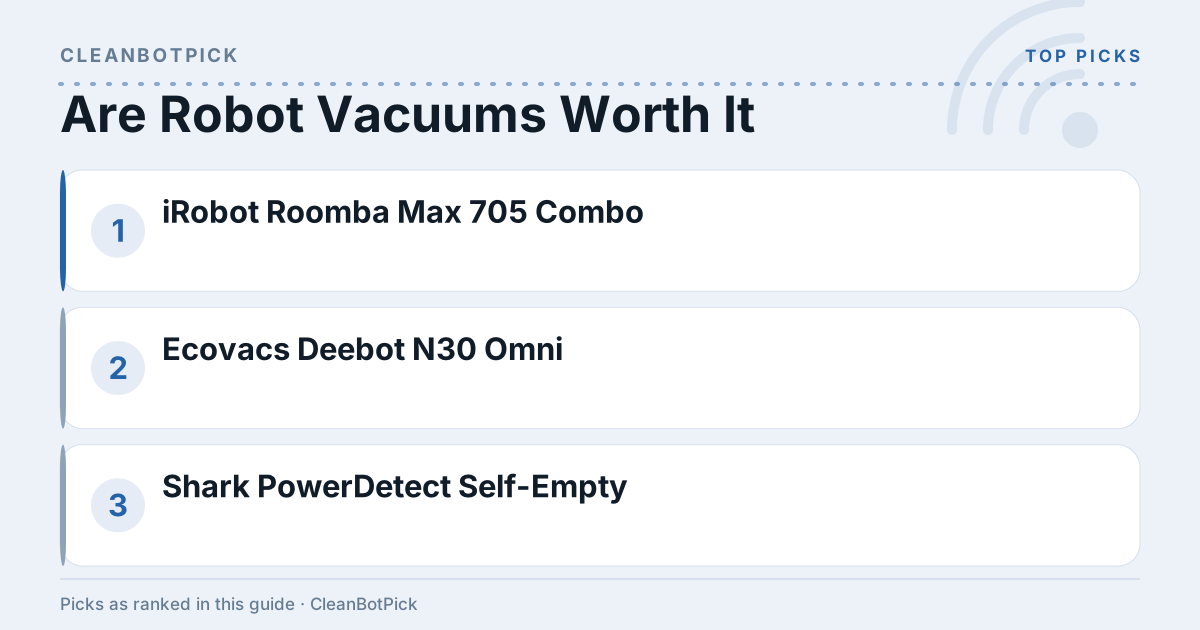
| iRobot Roomba Max 705 Combo | Premium | Not published | 120 | 0.4 L + AutoWash dock | Wi-Fi, LiDAR Mapping, Voice Control |
| Ecovacs Deebot N30 Omni | Budget | 10,000 | 180 | 0.3 L + omni dock | Wi-Fi, Mapping, Voice Control |
| Shark PowerDetect Self-Empty | Budget | Not published | 120 | 30-day HEPA base | Wi-Fi, LiDAR Mapping |
| Roborock Qrevo S | Budget | 7,000 | 180 | 0.35 L + self-empty base | Wi-Fi, Mapping, Voice Control |
That Ecovacs model looks like the sweet spot to me – good power, excellent battery life, and reasonable price. The Roomba Max 705 Combo is the priciest thing here, and iRobot still won’t tell you what its suction actually measures.
Practical Tips for Choosing a Robot Vacuum
- Assess Your Home Layout: Open floor plans work best. Lots of furniture legs and tight spaces? These things will struggle.
- Pet Hair Priority: Get higher suction power and specialized brushes. Your golden retriever’s fur won’t clean itself.
- Check Maintenance Requirements: Some models are way easier to maintain than others. If you hate fiddly tasks, pay attention to this.
- Read Customer Reviews: Look for complaints about battery life, reliability, and whether it actually navigates well. For a detailed overview, see our robot vacuum buying guide. Marketing specs don’t tell the whole story.
FAQ
1. How often should I run my robot vacuum?
Daily or every other day works for most homes. More if you have pets that shed like it’s their job.
2. Can robot vacuums replace traditional vacuums?
Not completely. They’re great for maintenance cleaning, but you’ll still need a regular vacuum for deep cleaning and getting into corners.
3. How do I maintain my robot vacuum?
Empty the dustbin regularly, clean the brushes, and check for hair tangles. It’s not hard, but you can’t ignore it.
4. Are robot vacuums noisy?
Modern ones run at about 60-70 decibels – quieter than most regular vacuums. You can have a conversation while they’re running.
5. Can I use a robot vacuum on carpet?
Yes, but thick carpets will challenge them. Look for higher suction power if you have plush carpeting.
Bottom Line
Robot vacuums make sense if you value convenience and have realistic expectations. They’re excellent for maintaining clean floors between deeper cleaning sessions, especially if you’re busy or just hate vacuuming. But they’re not miracle workers – you’ll still need a traditional vacuum for thorough cleaning. And if you’re specifically eyeing the most famous name in the category, our is Roomba worth it in 2026 breakdown tackles that question head-on. The sweet spot is around $400-600 for most people, but if you’re looking for budget options, check out the best budget robot vacuum.