Roomba Vs Roborock 2026
Roomba vs Roborock 2026: A Comprehensive Comparison
Quick Verdict
The Roborock wins for raw cleaning power and smart features, especially if you’ve got a big house or multiple floors. But if you want rock-solid reliability, quieter runs, and a mop that scrubs with a heated roller instead of a flat pad, the Roomba might sway you—even though you’ll pay extra for those replacement bags.
At a Glance
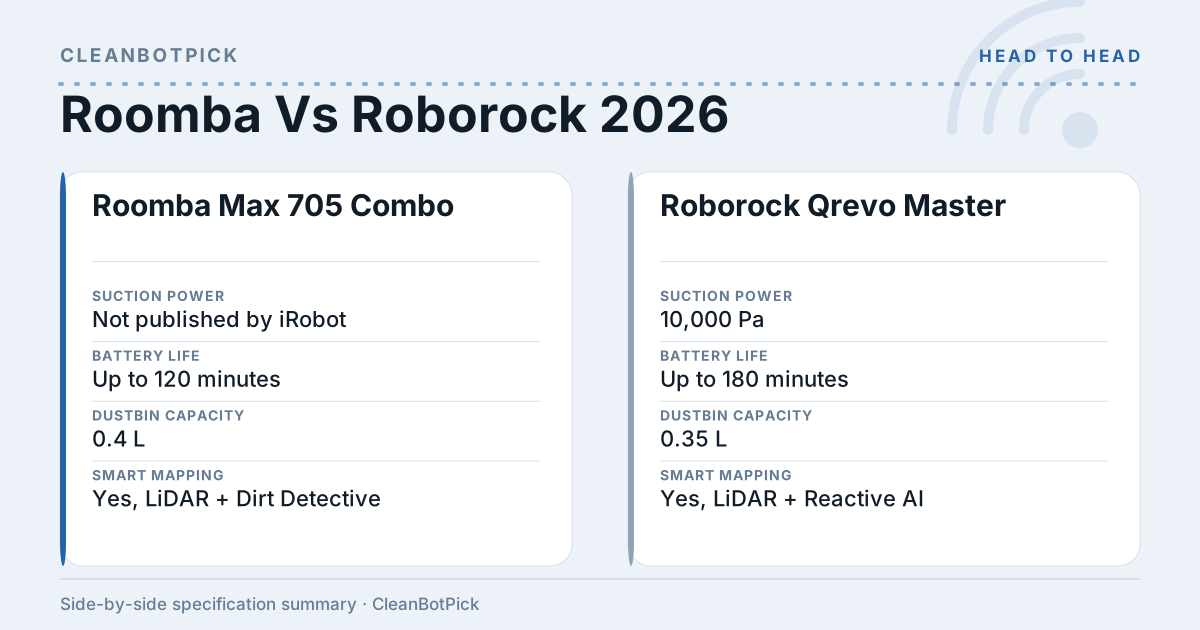
| Feature | Roomba Max 705 Combo | Roborock Qrevo Master |
|---|---|---|
| Suction Power | Not published by iRobot | 10,000 Pa |
| Battery Life | Up to 120 minutes | Up to 180 minutes |
| Dustbin Capacity | 0.4 L | 0.35 L |
| Smart Mapping | Yes, LiDAR + Dirt Detective | Yes, LiDAR + Reactive AI |
| Filter Type | High-efficiency filter | E11-rated filter |
| Room Size Coverage | Up to 2,000 sq. ft. | Up to 3,000 sq. ft. |
| Noise Level | 58 dB | 67 dB |
| Self-Emptying Base | Yes, AutoWash dock | Yes, hot-water mop wash |
| Price Tier | Premium | Premium |
| App Compatibility | iOS, Android | iOS, Android |
Design & Build Quality
The Roomba Max 705 Combo keeps things simple, though the LiDAR turret on top is the one thing standing between it and a truly low profile. iRobot’s build quality is solid as always, and the AutoWash dock—it empties the bin, then washes and dries the mop roller—is genuinely handy if you’re lazy about maintenance (like me).
The Roborock Qrevo Master is bulkier but packs more punch under the hood. The camera-plus-LiDAR combo isn’t just for show—it actually helps it dodge obstacles better than most competitors. The build quality feels premium, though it won’t win any beauty contests.
Performance
Here’s where the Roborock flexes its muscles. It’s rated at 10,000 Pa on Roborock’s own spec comparison tool, and iRobot has never published a Pa figure for any Roomba—walk through the current Roomba lineup and you’ll find brush type and dock features listed, but no suction number anywhere—which tells you roughly how that comparison goes. On specs and in owner feedback, the Roborock picks up what the Roomba leaves behind on carpet.
The Max 705 isn’t terrible—LiDAR mapping means it follows neat patterns and rarely misses spots, and the twin rubber brushes are the best anti-tangle setup iRobot has shipped. But on thick carpets, it struggles with fine dust that the Roborock handles effortlessly. If you’ve got pets or kids tracking in debris, the suction difference matters.
Noise Levels
The Roomba runs quieter at 58 dB versus the Roborock’s 67 dB. That 9-decibel jump is noticeable—the Roborock sounds like a small tornado while the Roomba purrs along. If you work from home or have light sleepers, this could be the deciding factor.
Filters, Bags & Mop Pad Upkeep
Both use high-efficiency filters that need swapping every two months. The Roomba’s filters cost about $15 each, plus you’ll shell out $10 for a three-pack of self-emptying bags. That adds up fast.
The Roborock’s E11 filters are cheaper at $10 each, and its dock takes bags too. What you will be doing is rinsing the dock tray and swapping mop pads. The hot-water wash cycle keeps them from going sour, but it isn’t zero-maintenance either.
Smart Features
The Roomba keeps it straightforward with Smart Mapping and Dirt Detective, which sends it back over whichever rooms it decides are dirtiest. You can schedule rooms, set no-go zones, and bark commands at Alexa—robotic vacuums are now one of the device categories Alexa handles natively over Matter, so voice control is table stakes rather than a selling point. It works, but it’s basic.
The Roborock’s Reactive AI Mapping is where things get interesting. This thing actually sees obstacles and adapts in real-time instead of just bumping into stuff. The app gives you way more control over cleaning patterns, suction levels, and zone management. Tech nerds will love it.
Price & Value
The Roomba feels overpriced for what you get. The Roborock stings upfront, but you’re getting far more suction, 50% more battery life, and smarter navigation. The premium is worth it unless you specifically want iRobot’s heated roller mop. And if you’re willing to spend more still, Roborock’s true flagship is a different animal—see our Roborock Saros 10R review.
Who Should Buy Which?
Go with the Roomba Max 705 Combo if:
- Quiet operation matters more than cleaning power
- You want a roller mop that scrubs and rinses itself instead of a flat pad
- You want dead-simple operation without fuss
Pick the Roborock Qrevo Master if:
- You have pets, thick carpets, or serious debris
- You want cutting-edge navigation and app control
- Battery life matters (big homes, multiple floors)
FAQ
Q: Can both vacuums be controlled via smartphone? A: Yep, both have decent apps for iOS and Android.
Q: Do these vacuums work well on carpets? A: The Roborock dominates here thanks to that powerful suction. The Roomba does okay but struggles with embedded dirt in thick pile.
Q: How often do I need to replace the filters? A: Every two months for both, assuming normal use. Heavy pet households might need more frequent changes.
Q: Is the self-emptying feature worth it? A: If you hate maintenance, absolutely. But those replacement bags add $40+ per year to your costs.
Q: Can I set no-go zones? A: Yes, both apps let you block off areas you don’t want cleaned.
The bottom line: both are solid robots, but they serve different priorities. The Roomba plays it safe with proven tech and convenience features. The Roborock pushes boundaries with raw performance and smart navigation. Pick based on what annoys you more—weak suction or loud operation.